
Dental Implants
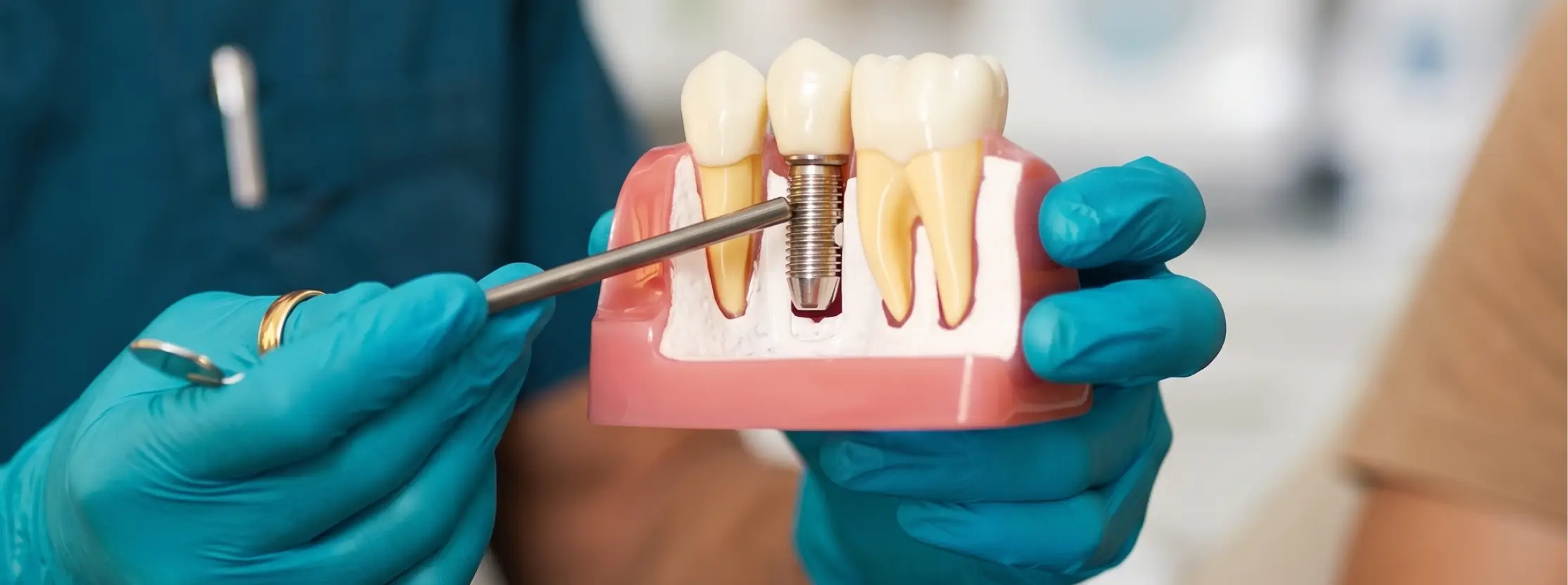
What are dental implants and how does osseointegration work?
A dental implant is a biocompatible post made of titanium or Roxolid, surgically placed in the jawbone to replace a missing tooth root. The bone naturally fuses with the implant surface over 3 to 6 months in a process called osseointegration, forming a strong, permanent base that safely supports custom zirconia restorations.
Smile Clinics in Riyadh use 3D guided digital surgical planning with Carestream CS 8200 CBCT imaging and a digital scanner, ensuring implants are placed with micro-level precision without extensive traditional surgery, while keeping a safety margin of at least 2 mm from the lower jaw's nerve canal, and offering immediate implants and All-on-4 and All-on-6 full-arch implants.
Who is the ideal candidate for dental implants, and what are the contraindications?
The ideal candidate for dental implants is an adult in good general health with adequate bone density confirmed by 3D CBCT imaging. Medical standards require postponing implants in cases of uncontrolled diabetes (HbA1c above 8.0%), active gum disease, high radiation doses and heavy smoking without quitting.
🩺 Clinically Reviewed & Verified:
This content was reviewed and approved by Prof. Hamad Al-Zoman, Professor at the King Saud University College of Dentistry and Consultant in Periodontics and Dental Implants (SCFHS). The content complies with Article 23 of the Saudi Ministry of Health's Private Health Institutions Law and the guidelines of the American Academy of Implant Dentistry (AAID).
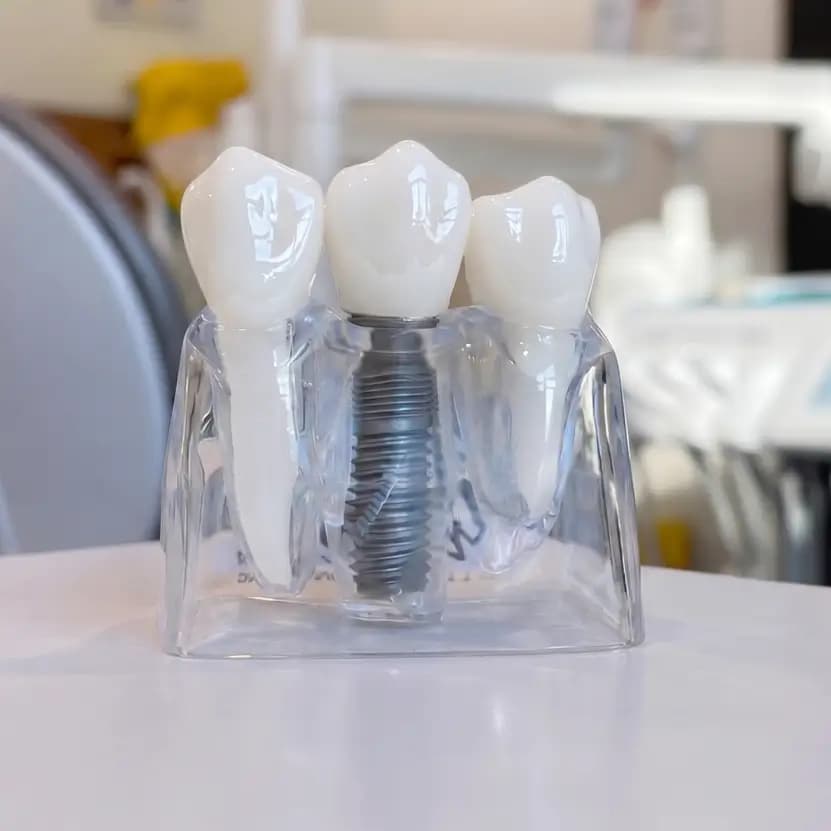
Why might you need dental implants?
Some signs may indicate that dental implants are the right solution for you. Here are the most important ones:
- One or more missing teeth: A gap left by an extraction, fracture or severe decay that affects chewing and appearance, and over time can cause neighboring teeth to tilt into the space.
- Difficulty chewing or speaking: Relying on one side when eating, or changes in how you pronounce certain sounds because of missing teeth, which implants restore to normal.
- Loose removable dentures: A denture that moves or causes sores and gum pain can be secured on implants or replaced with a complete fixed bridge.
- Jawbone loss after tooth loss: The bone starts to shrink when a gap is left unreplaced; implants stimulate and preserve the bone, with bone grafting when needed.