
Gum Surgery & Periodontal Treatment
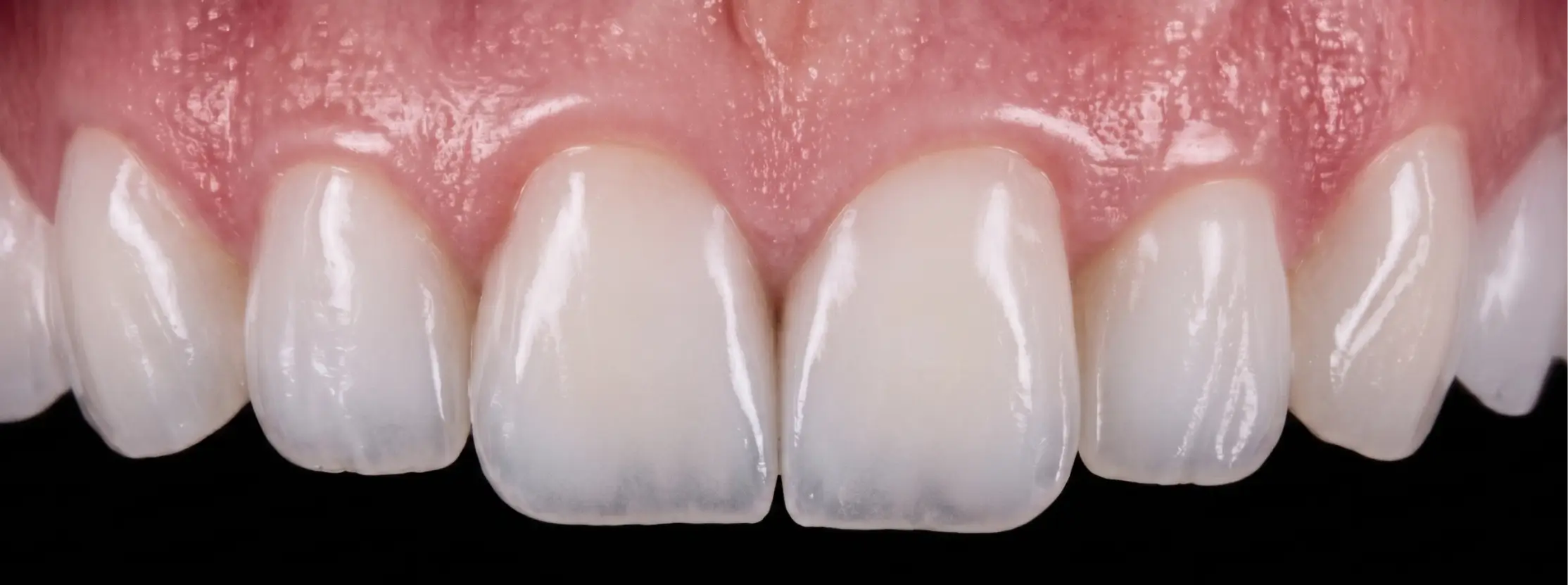
What is root planing and deep gum cleaning, and how does it treat inflammation?
Scaling and root planing is a non-surgical gum treatment that aims to stop advanced gum inflammation and protect the supporting bone. Under local anesthesia, the consultant performs deep ultrasonic cleaning to remove tartar deposits and bacteria from deep pockets and smooths the root surfaces so the gums can heal again.
Gum services at Smile Clinics include using the BIOLASE soft-tissue laser for gum contouring (gingivectomy) and gummy smile treatment, gum pinkening and depigmentation, and gum grafting and regeneration of supporting tissues with biological membranes, to keep teeth stable and protect the smile from recession.
Why should you have gum maintenance sessions every three months?
Regular gum maintenance sessions are done every three months because the anaerobic bacteria that cause bone loss rebuild their colonies under the gums within 9 to 11 weeks. These sessions remove the bacteria before inflammation returns, keeping the bone and teeth stable compared with infrequent routine cleaning.
🩺 Clinically Reviewed & Verified:
This medical content was reviewed and verified by Prof. Hamad Al-Zoman, Professor at the King Saud University College of Dentistry and Consultant in Periodontics (SCFHS), in line with the standards of the American Academy of Periodontology (AAP), the European Federation of Periodontology (EFP) and Article 23 of the Saudi Ministry of Health's Private Health Institutions Law.
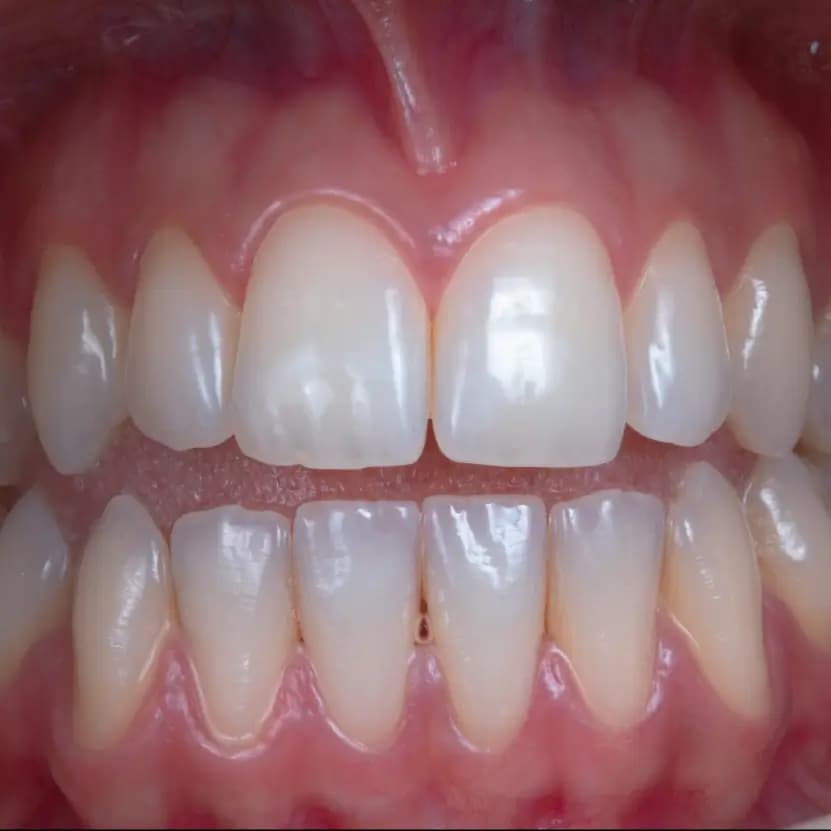
Why might you need gum surgery and dental implants?
Some signs may indicate that you need gum surgery or dental implants. Here are the most important ones:
- Bleeding gums and gum pockets: Gums turning red and bleeding often while brushing is the first sign of inflammation. As the condition progresses, the gums can pull away from the tooth and form deep pockets where bacteria collect, requiring deep root cleaning.
- Loose or missing teeth: A tooth feeling unstable because of loss of the supporting bone is a sign of advancing gum disease, and it can lead to losing the tooth itself, which then needs replacing with an implant, with bone grafting if necessary.
- Loss or recession of gum tissue: Visible gum recession or loss of the tissue around the tooth, requiring procedures to regenerate it.
- Uneven gum shape: A gummy smile or a clear difference in gum level between teeth that affects the harmony of the smile.